
In 2018, when we started working, around that time water was sufficient in the villages. But some villagers didn’t have awareness about fluoride and fluorosis. So we began conducting awareness programs and later people started getting awareness and they made changes in their lifestyle by drinking RO water and using Vitamin-C Vegetables. For this, INREM team members gave training Anganwadi teacher and school teacher’s. However in 2019, due to lack of rain, the water is not available in these villages and this is starting to impact people’s lives
12 months back when we started working here in Bagepalli Taluk of Chikkaballapur district. We worked in 10 habitations as part of EU project. I’m going to share incidents in some of the villages in Puligal Gram Panchayat (GP) to highlight how water situation affects people.
In the beginning, in Puligal GP, the villagers from Poolagatavaripalli and Belalampalli villages opposed the work of INREM because they didn’t have sufficient water in their water source. After this, INREM Team members started talking with GP members and Panchayat Development Officer(PDO) to resolve this issue NARAYANASWAMY. Later, the Panchayat had made some arrangements to provide water by pipeline.
In another village of Srinivasapura, where people were drinking high fluoride water. We started talking with the Panchayath members and villagers to find some solution. We got to know from the PDO that a Water Filter Plant has been commissioned from the government but there was an issue of space to install it. We started speaking with people about it and then we came across Mr.Shashikumar who supported us and gave their Place for RO Plant.
We also focused on nutrition and informed villagers about what kind of food to be taken to avoid the Fluoride and Fluorosis and how can we avoid Dental fluorosis in children. We also met other important persons like Smt.Poornima madam. She is Bagepalli taluk SHG group president. She helps us to conducting meetings and trainings in anganwadis. She helps many women in welfare works and started giving tailoring training to ladies. Very recently, she supported us by allowing planting of saplings moringa,amla,jamun,etc in her land for for nutritious food for anganwadis children.
But due to lack of rain, many water sources have gone dry which is affecting the lives of people as they have to depend on tankers or travel far distances to get water. There is awareness about fluoride and fluorosis, but when there is no water, it is difficult to persuade people because basic needs of water is not available to them
One training pic in Anganwadi in Srinivaspura
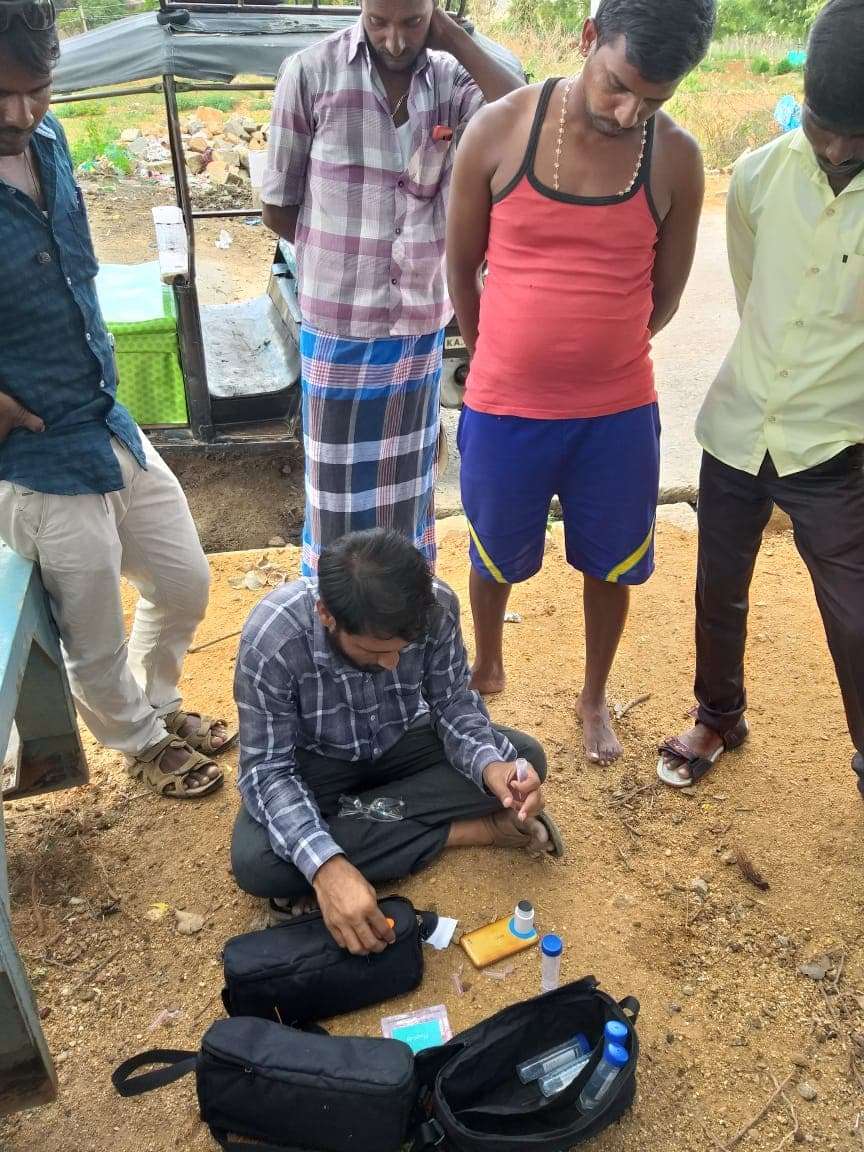
By doing these things, people are getting aware and they are using RO water for drinking and cooking food. We want to provide water testing kits to water man, school teacher and village person so that people can check whether their water sources in the village are safe to drink.
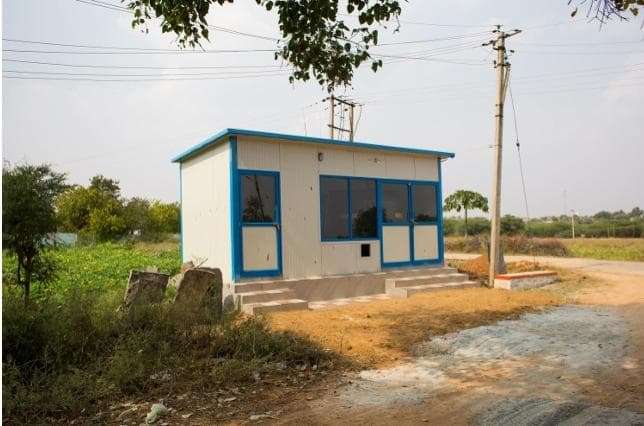
Community based Water Filter Plant installed in Ramachandrapura village.
On one hand, it is great news that there is community based RO plant which is in working condition and people are happy because this one plant is a source of safe drinking water for 4 villages( srinivasapura, Ramachandrapura, belalampalli, poolagantavaripalli) for their safe drinking water needs. But this summer i.e. (March – June 2019) has been tough as there was low rainfall in Bagepalli taluk in the monsoon season. The villages have no water in their community borewell. The groundwater level is going down more than 750 feet. People are getting water by tanker. It is costing them 400rs and some others for drinking water travel 8-10km to get plants because of bore wells are dry.
In June we visited the village. We did field survey and found that some RO plants are stopped due to the borewells getting dry. Some village people going other places to take drinking water.
Hoping for a good monsoon this year so that these issues are resolved.
Attributions:
Field observations, speaking with people in Puligal GP.
Manjula N, my field colleague for additional information.
Thanking Kiran Kumar Sen, EU project District Coordinator for Chikkaballapur for feedbacks and improvements in the story